Tobacco Processing Line — End-to-End Electrical & Automation
End-to-end electrical and automation for a complete tobacco threshing line — PCC, iMCC, Hot-Standby PLC, AVEVA SCADA across 9 process zones and 571 motors.
Client:
Large Leaf Tobacco Exporter, India
Focus:
PCC + iMCC + PLC + SCADA — Full Process Line
Service:
Control & Automation
Project details
Overview
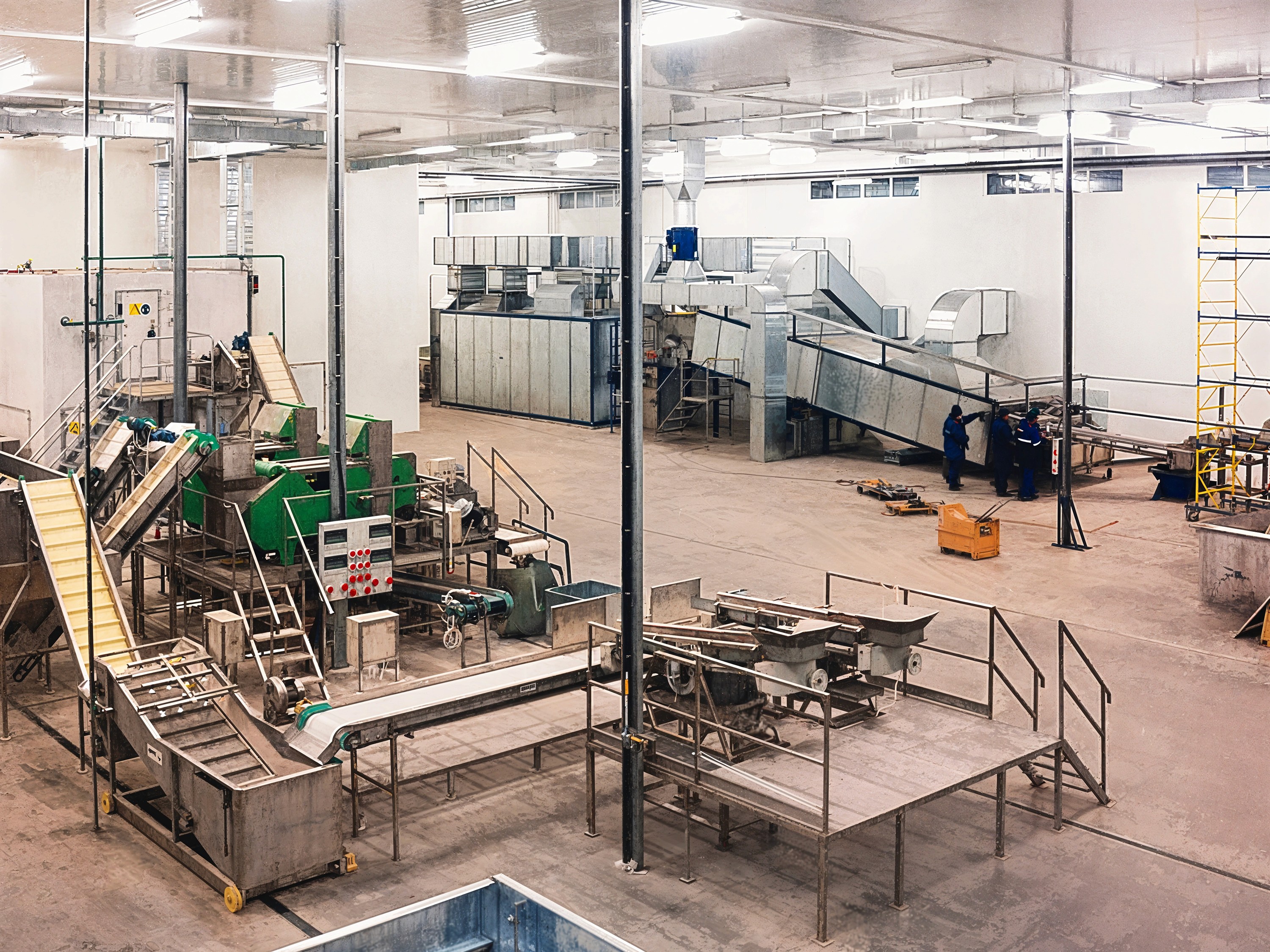
Elezon delivered the complete electrical and automation infrastructure for a large-scale tobacco threshing facility — covering every process from raw material intake to finished product dispatch.
The scope covered full electrical design, panel manufacturing, PLC programming, SCADA development and on-site commissioning — executed entirely by Elezon's in-house team under a single project ownership model.
Client challenges
Before the upgrade, the facility encountered several operational issues that directly impacted performance and costs:
Multi-process line spanning 9 zones — Dust, Stems, Scrap, Tips, Sorting, Strips, Cooling, Butts and Threshing — all requiring coordinated automation
High-availability requirement — continuous line operation with no single point of failure
Distributed MCC architecture across multiple process zones with 571 motors and 140 VFDs
Complex motor interlock and process safety logic across hundreds of I/O points
Requirement for unified diagnostics and predictive alarm management across all zones
Objectives
The primary objectives of the project were to:
Deliver complete electrical infrastructure from PCC to field devices across all 9 process zones
Implement high-availability Hot-Standby PLC architecture for continuous process operation
Integrate intelligent MCC with digital motor management and predictive diagnostics
Develop unified SCADA with centralised visibility across all process zones
Complete FAT and SAT with full PLC–MCC–SCADA validation before handover
Solution approach
Elezon designed and delivered an integrated electrical and automation solution using Schneider Electric's high-availability platform — combining redundant PLC architecture, distributed intelligent MCC, and centralised SCADA across all process zones.
The solution was engineered for maximum uptime, structured diagnostics, and future scalability — with a unified logic library covering all motor control, interlocks and process safety functions across the line.
Schneider Modicon M580 Hot-Standby PLC with redundant CPU racks
Distributed iMCC architecture using TeSys Island digital starters
140 Altivar VFDs across conveyors, conditioning fans and process drives
Ethernet + Profibus communication with fibre optic backbone
15" industrial HMIs at key operator stations
AVEVA Plant SCADA — centralised with structured diagnostics
Main PCC — top entry, CRCA, IP42, modular busbars and earthing
iMCC cum Remote I/O PLC panels across all 9 process zones
Unified logic library for motor control, interlocks and process safety
Predictive alarms and trip analytics from TeSys Island digital starters
FAT + SAT with harmonised PLC–MCC–SCADA validation
Implementation process
The implementation was carried out in clearly defined stages:
Assessment & Design
Full process audit across all 9 zones. Motor schedules and load lists reviewed. Unified automation architecture developed.Panel Manufacturing
All panels — PCC, iMCC, RIO PLC — manufactured at Elezon's Bengaluru facility. Full I/O simulation FAT before dispatch.Site Commissioning
Elezon's field team managed installation, loop checking and process commissioning across all zones. Full SAT with client operations team.
Training & Handover
Operations and maintenance teams trained on SCADA, PLC diagnostics, TeSys Island motor management and alarm response.
Conclusion
Elezon delivered the complete electrical and automation scope — from PCC to SCADA — for a large-scale tobacco processing line, under single project ownership with zero post-commissioning defects. The M580 Hot-Standby PLC, TeSys Island intelligent MCC and AVEVA Plant SCADA gave the client real-time visibility and control across all 9 process zones — with predictive diagnostics that transformed maintenance from reactive to preventive.
Review